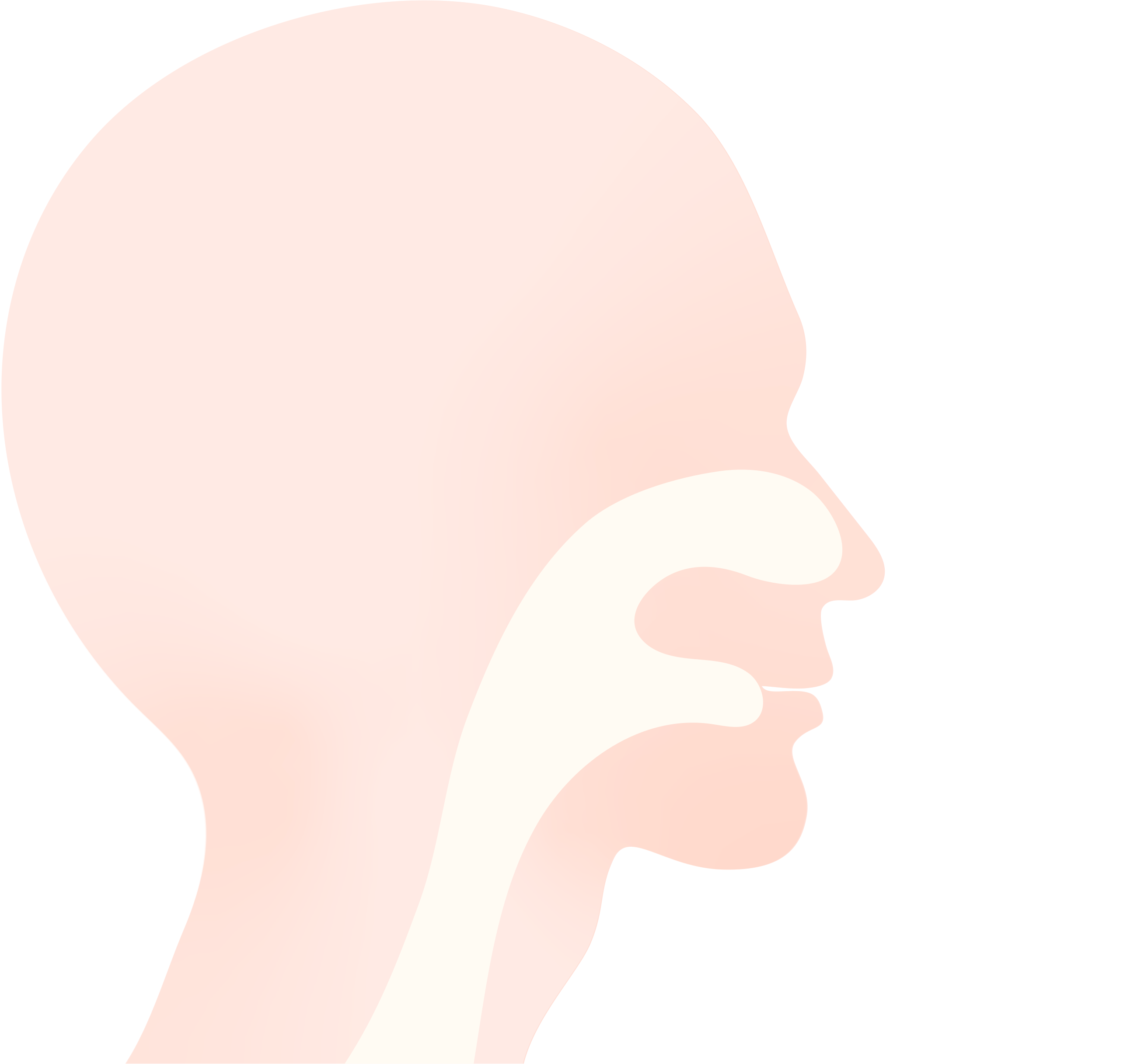

Cold viruses enter through the nose or throat. This can happen when someone sneezes or talks close to you, or when the virus is transferred from your hands to your face2,3.
The virus reaches the mucous membranes of the throat and nasal cavity and enters the first cells⁴. This is when you may get that feeling that a cold is coming on⁶.
When you use ColdZyme, an extra moisture layer forms in the throat. This makes it harder for viruses to attach and enter the cells where they would otherwise replicate.



Once inside, the virus tricks the cell into mass-producing new virus copies. Eventually, thousands of new viruses are released and spread to other cells in the body, where they continue to replicate¹. At the same time, the immune system is alerted and activated². More and more symptoms begin to appear, and you start to become contagious.


When you use ColdZyme, a moisture layer forms that prevents viruses from entering cells and limits their ability to replicate. There are fewer viruses for the body to deal with, resulting in a shorter cold and milder symptoms.
Some cold symptoms are caused by viruses destroying cells in the mucous membrane as they replicate. But most symptoms are caused by the immune system itself — they are the effects of the body defending itself.
Chemical signals are released in the body, reaching the brain, joints and muscles². This causes symptoms such as fever, muscle aches, headache and fatigue. Immune cells also rush to the throat and nasal cavity to fight the virus. There, substances are released that strengthen the immune response and affect blood vessels, glands and nerves², causing symptoms such as sneezing, a runny nose, nasal congestion, sore throat and cough.
When you use ColdZyme, viruses in the mouth and throat are trapped and inactivated. This leads to milder symptoms, particularly in the nose and throat. Clinical studies⁸ of ColdZyme confirm that the reduced viral load results in less nasal congestion, runny nose, sneezing, coughing and general feeling of illness.
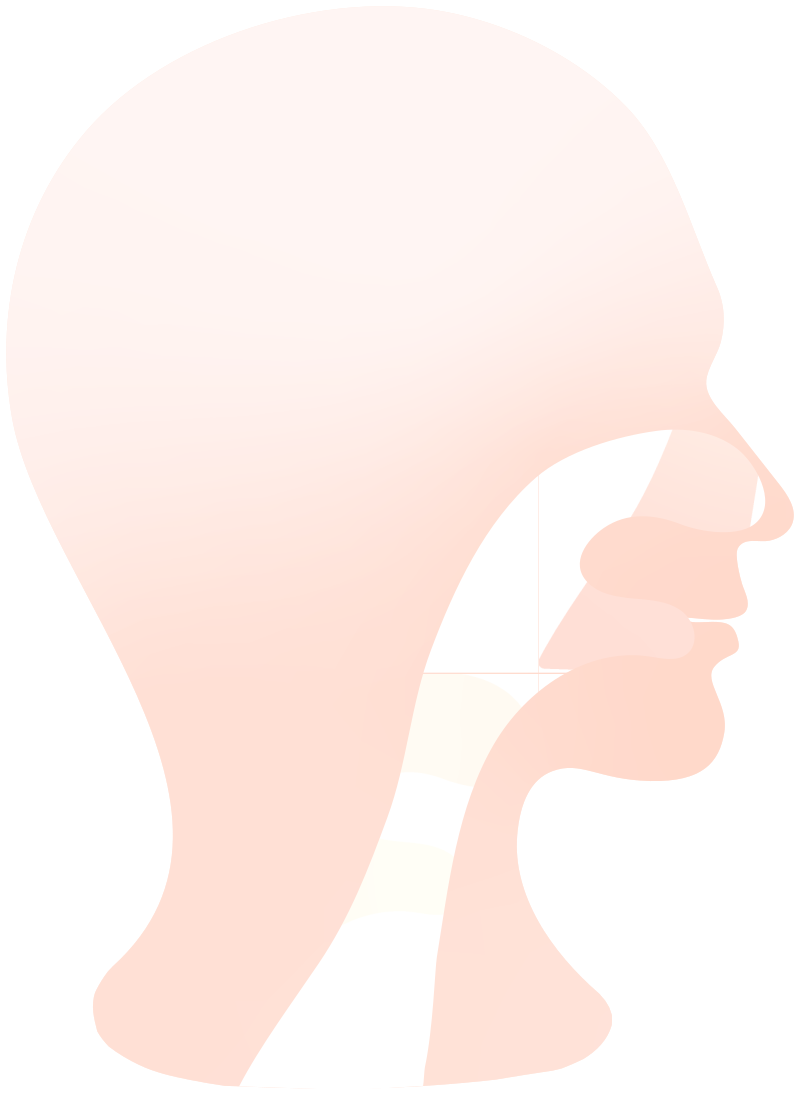
The immune system begins to gain the upper hand and the viral load decreases. The worst symptoms start to ease, though you may still have a cough, runny nose and feel tired.
When you use ColdZyme, your body gets help getting rid of cold viruses more effectively, so it can beat the cold faster. This means a shorter illness and milder symptoms.
A dry cough, runny nose and fatigue can persist even after the infection has cleared2,5. The airways can remain sensitive for a while afterwards, particularly in children and people with asthma or other respiratory conditions.
When you use ColdZyme, you can shorten the time you are ill. In an independent clinical study8, fewer people in the ColdZyme group experienced prolonged residual symptoms after a cold.
References


For ColdZyme Summary of Safety and Clinical Performance (SSCP), please contact us at info@coldzyme.se

