

The common cold – symptoms, transmission and what helps

The common cold is one of the most frequent infections we experience. Despite how common it is, there are many misconceptions surrounding it. Here you will find out what happens in the body, how to relieve symptoms, and what research says about how you can influence the course of the illness.

Table of content

What is a cold?

A cold is an infection affecting the nose, throat or pharynx. The cause is almost always a virus. Adults catch colds a few times a year, while young children can be affected up to ten times a year. Symptoms often follow a pattern in which fever and sore throat are common early on, followed by nasal congestion and cough. Most people recover from a cold within 7 to 10 days. Medically speaking, a cold is a type of upper respiratory tract infection, which is the term used in healthcare settings.

Which viruses cause colds?

Colds are almost always caused by viruses, but that does not mean there is one specific cold virus responsible. In fact, several hundred different viruses can cause a cold. You can read more about the different viruses behind colds in our article "There is more than one kind of cold".

Symptoms of a cold

Symptoms usually appear within one to three days of being infected with a cold virus. They vary, but can include:

  • Nasal congestion and a runny nose
  • Sneezing
  • Sore throat
  • Fatigue
  • Cough
  • A general feeling of being unwell
  • Mild muscle aches or headache
  • Mild fever

It can sometimes be difficult to distinguish between a cold, flu, COVID-19 and allergy symptoms. Our article "Cold, flu, COVID-19 or pollen allergy — what is what?" gives an overview of the similarities and differences.

How does a cold spread?

Colds spread easily. The risk of infection is greatest from the moment the first symptoms appear, and during the first days of the illness. Common routes of transmission include:

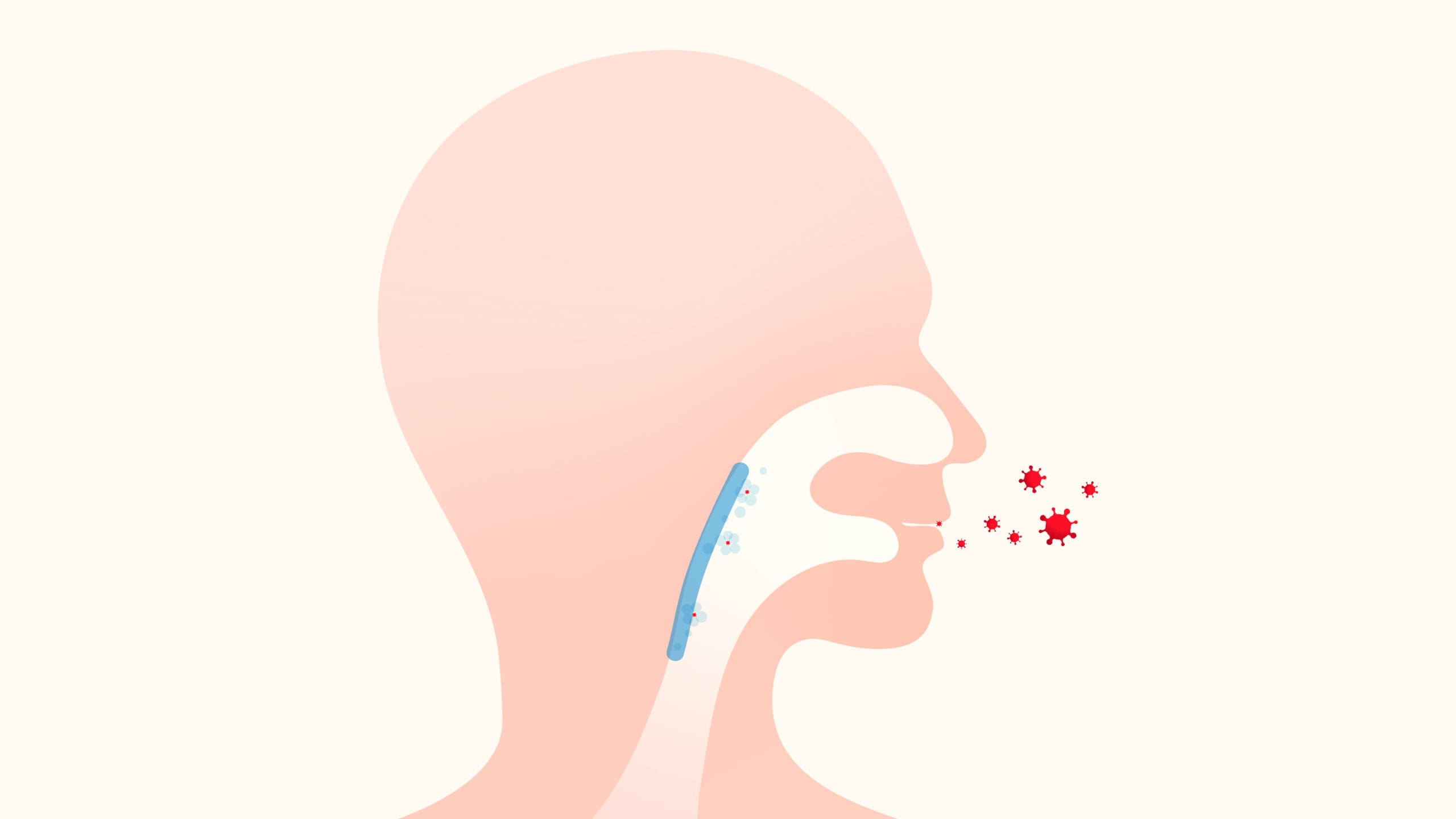
  • Droplet transmission: small droplets spread through the air when someone coughs or sneezes
  • Direct contact: shaking hands or otherwise touching a person who has a cold
  • Shared objects: drinking from the same glass or using the same items, such as towels, toys, remote controls or mobile phones
  • Self-inoculation: touching the eyes, nose or mouth after your hands have come into contact with the virus

During cold season, we are surrounded by viruses. Families with young children are particularly exposed to a lot of viruses in their home environment, as children frequently catch colds during their early years and can easily pass them on to others. Read more in our article Are children more contagious than adults?

Factors that increase the risk of catching a cold

Coming into contact with a cold virus does not always mean you will fall ill. In many cases the body can handle the exposure without symptoms. The risk of becoming sick is influenced by several factors,  both within yourself and in your environment. Examples of situations and circumstances that can increase the risk:

  • Age: young children and the elderly are at the highest risk of catching colds
  • Weakened immune system: illnesses, immunosuppressive treatments and other conditions that reduce immune function increase the risk
  • Season: both children and adults are more likely to catch a cold in autumn and winter
  • Smoking: smoking yourself or being exposed to secondhand smoke increases the risk of catching a cold

How to treat a cold

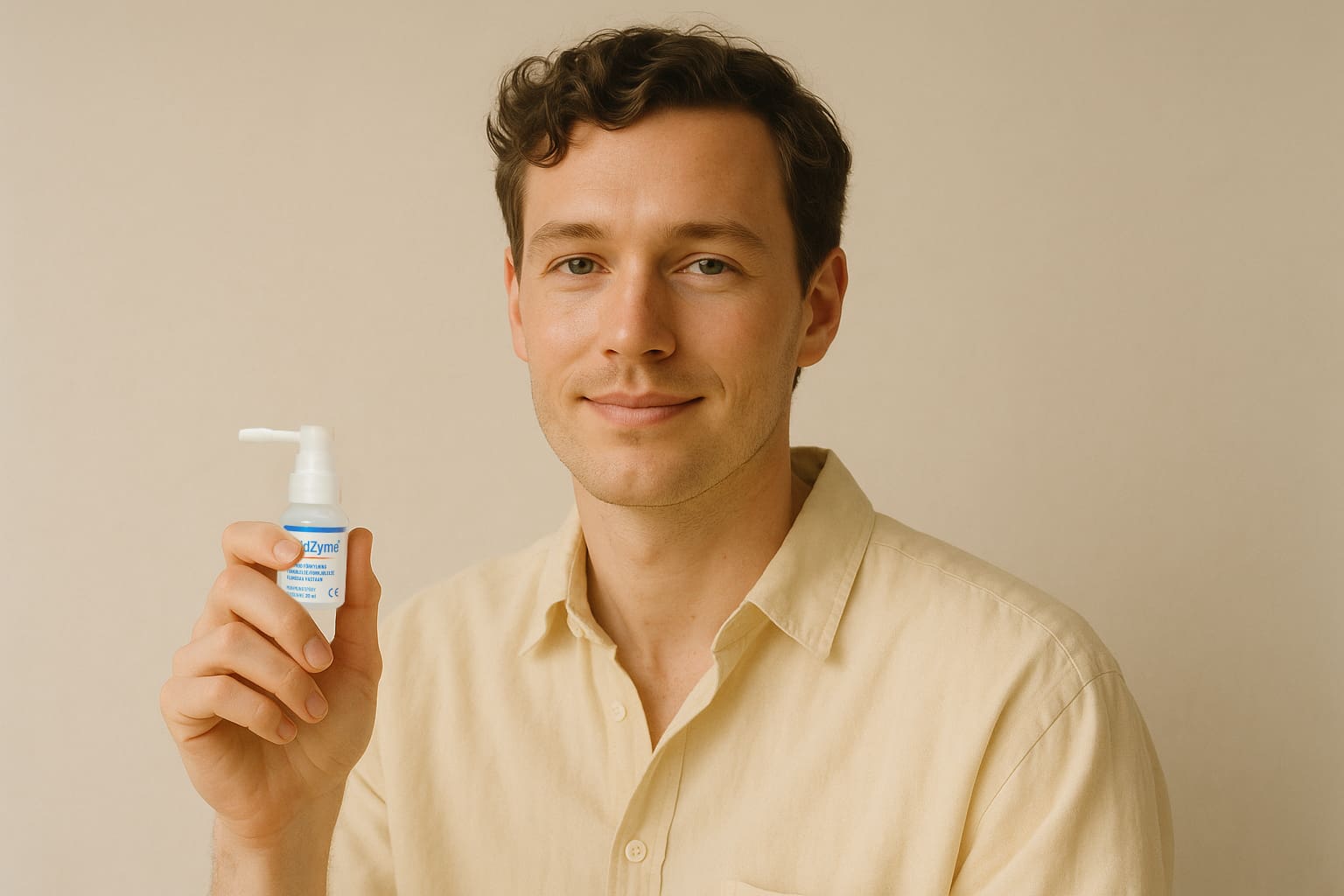
When you feel a cold coming on, or notice the first symptoms, you can use ColdZyme. It is a mouth spray that can help you experience milder symptoms and a shorter cold. Start treatment as early as possible and continue until you feel better.


It is important to stay home and rest when you feel unwell, and to continue staying home until you have recovered. This reduces the risk of passing the virus on to others. You do not need to stay in bed to rest, just because your stayed home. You can move around gently, but avoid exercise or physical training while having a cold.


There are also many products that can relieve cold symptoms, such as decongestant nasal sprays, fever-reducing tablets, cough medicine and soothing throat lozenges.

When should you see a doctor?

Colds generally clear up on their own and most people do not need medical attention. For adults, it is a good idea to contact your GP for advice if the cold does not improve, for example if you:

  • Still have a fever after four days
  • Develop a fever again after a few fever-free days
  • Experience worsening symptoms, such as ear pain, sinus pain, a more severe sore throat, or difficulty breathing

If your child has a cold, you should also seek medical advice if the child is struggling to eat and drink, or appears lethargic and less responsive than usual.

Frequently asked questions about cold

It depends on how severe the cold becomes. Most people feel better within 7 to 10 days. A cough and fatigue can linger for longer afterwards.

No, you should not exercise when you have a cold.

Stay home when you feel a cold coming on or when you have cold symptoms. Continue to stay home until you feel better.

For children, it is important to assess their general condition. If a child is alert, eating normally and has enough energy to play as usual, they are generally well enough to return to nursery or school once they have been fever-free for 24 hours (without medication) and are well enough to participate in normal activities.

ColdZyme is a medical device mouth spray that can shorten the duration of a cold and reduce symptoms. Read more about how ColdZyme works in Know your cold.


There are also treatments that can relieve cold symptoms, such as fever-reducing medicines, cough medicine, soothing throat lozenges and decongestant nasal sprays.

There are in fact differences in how men and women are affected by colds, so it cannot be entirely ruled out.

A cold is caused by a virus, not by getting cold. However, there are theories suggesting that getting chilled may impair the local immune defence in the nose and throat, making it easier for a virus already present in the body to take hold.

Yes, prolonged stress can affect the immune system negatively and make you more susceptible to infections such as colds. When the body lacks recovery time, it becomes less able to defend itself against viruses.

Read more about the common cold

Here you will find expert advice, practical information, and research findings. Our articles provide valuable insights into the common cold, along with tips on what you can do yourself during cold season.

There is more than one kind of cold

What we generally call catching a cold is actually an umbrella term for a wide range of infections with the same characteristic symptoms such as a runny nose, nasal congestion, sore throat, cough and sometimes fever. In total, hundreds of different viruses can cause colds. This is why the common cold is not only the most frequent illness in humans, but also one of the more complex.

Enzymatica
Ideon Science Park
Scheelevägen 19 A
223 70 Lund Sverige
info@coldzyme.se

For ColdZyme Summary of Safety and Clinical Performance (SSCP), please contact us at info@coldzyme.se

Copyright © Enzymatica AB 2026
Approval ID: MKT-135SE-02